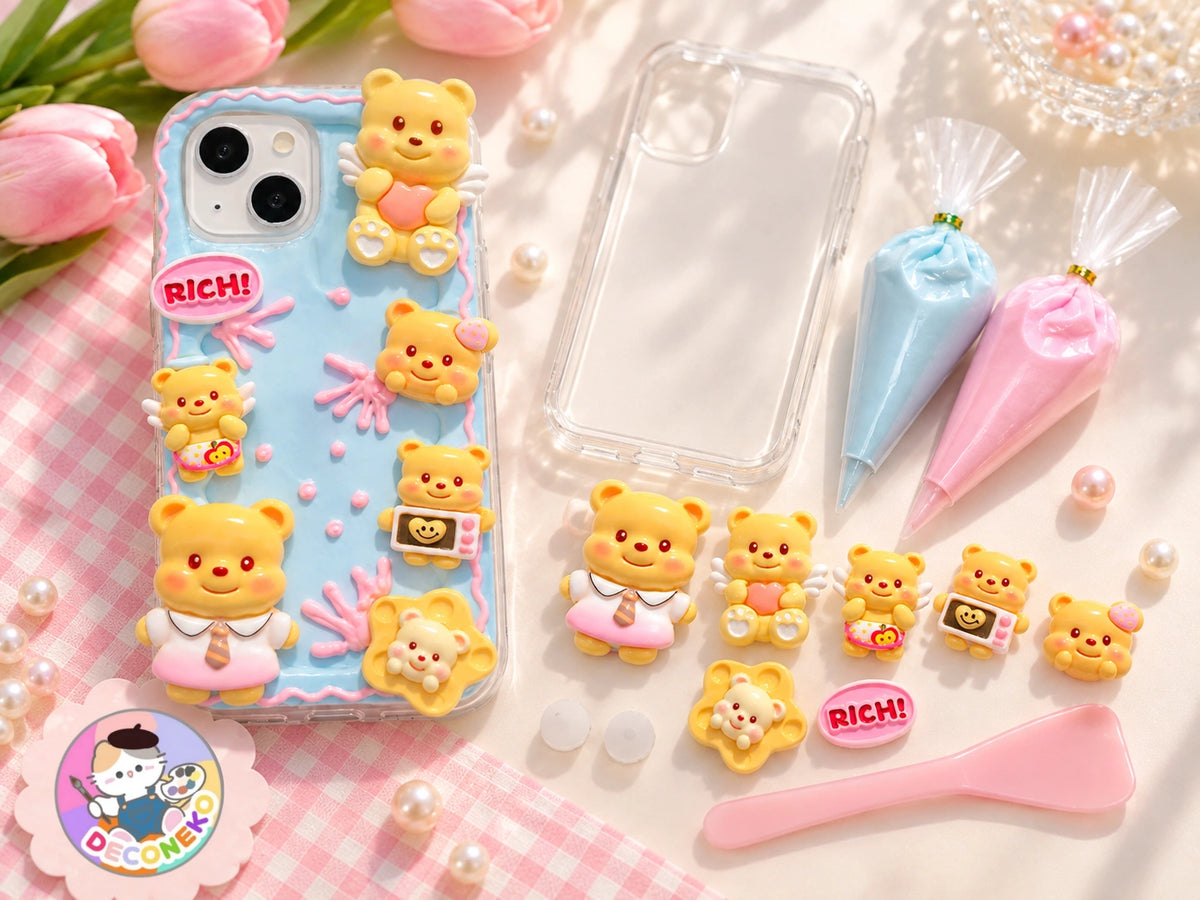
Cream Glue

How to Make a Decoden Phone Case: A Beginner-Friendly Guide

Want to make your own decoden phone case but not sure where to start? This beginner-friendly guide walks you through the basics—from choosing your materials and planning your charm layout to piping cream glue, placing decorations, and letting your finished case dry properly. Whether it is your first decoden project or you simply want a cleaner, more balanced result, this guide will help you get started with confidence.

September 12, 20268 min read
How to Make a Decoden Phone Case: A Beginner-Friendly Guide

What Is a Decoden Phone Case?

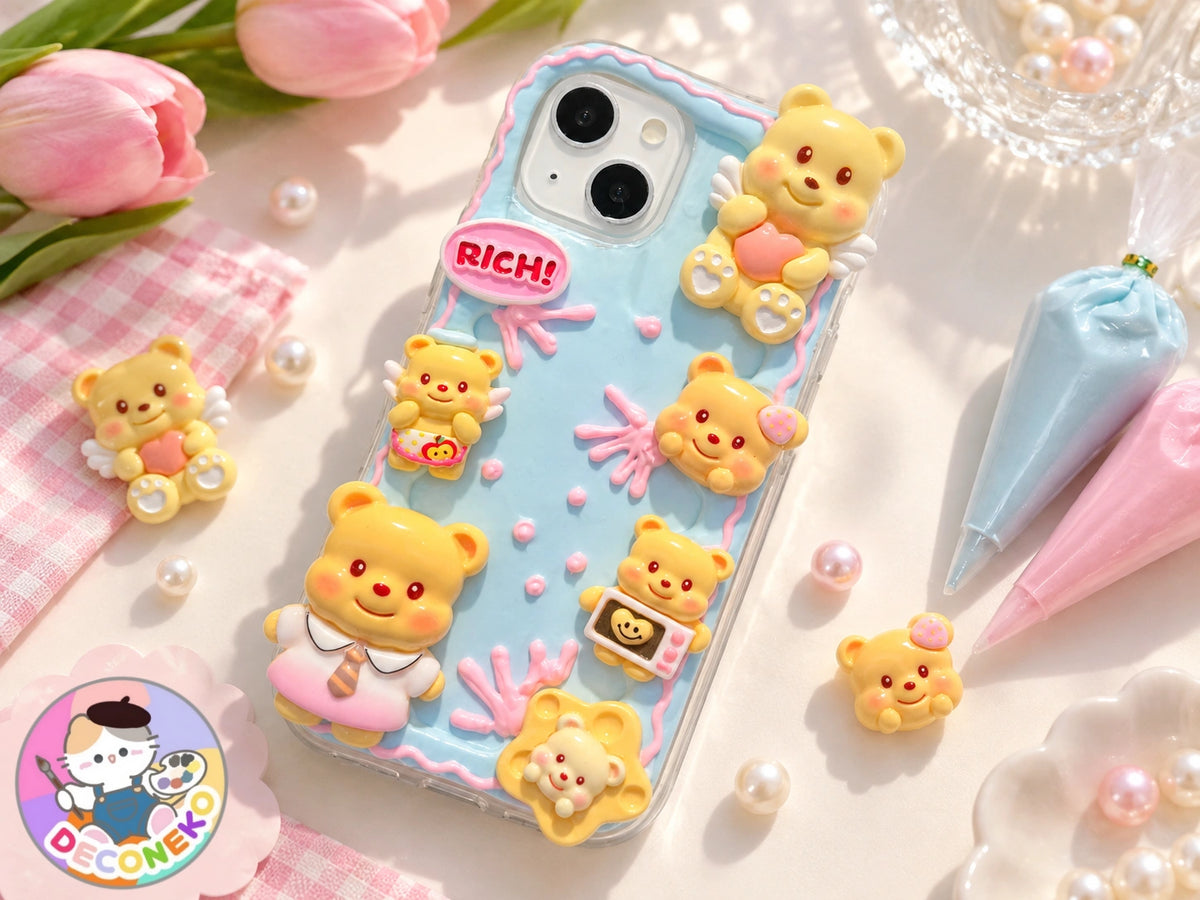
A decoden phone case is a decorated phone case made with embellishments such as charms, beads, pearls, resin pieces, and whipped-looking cream glue. The finished design is usually cute, colourful, textured, and highly personalized.

Many people associate decoden with phone cases first because the flat surface makes it easy to arrange decorations and create a balanced composition. It is also one of the easiest ways for beginners to understand how decoden works before moving on to mirrors, storage boxes, or other accessories.
What You Need

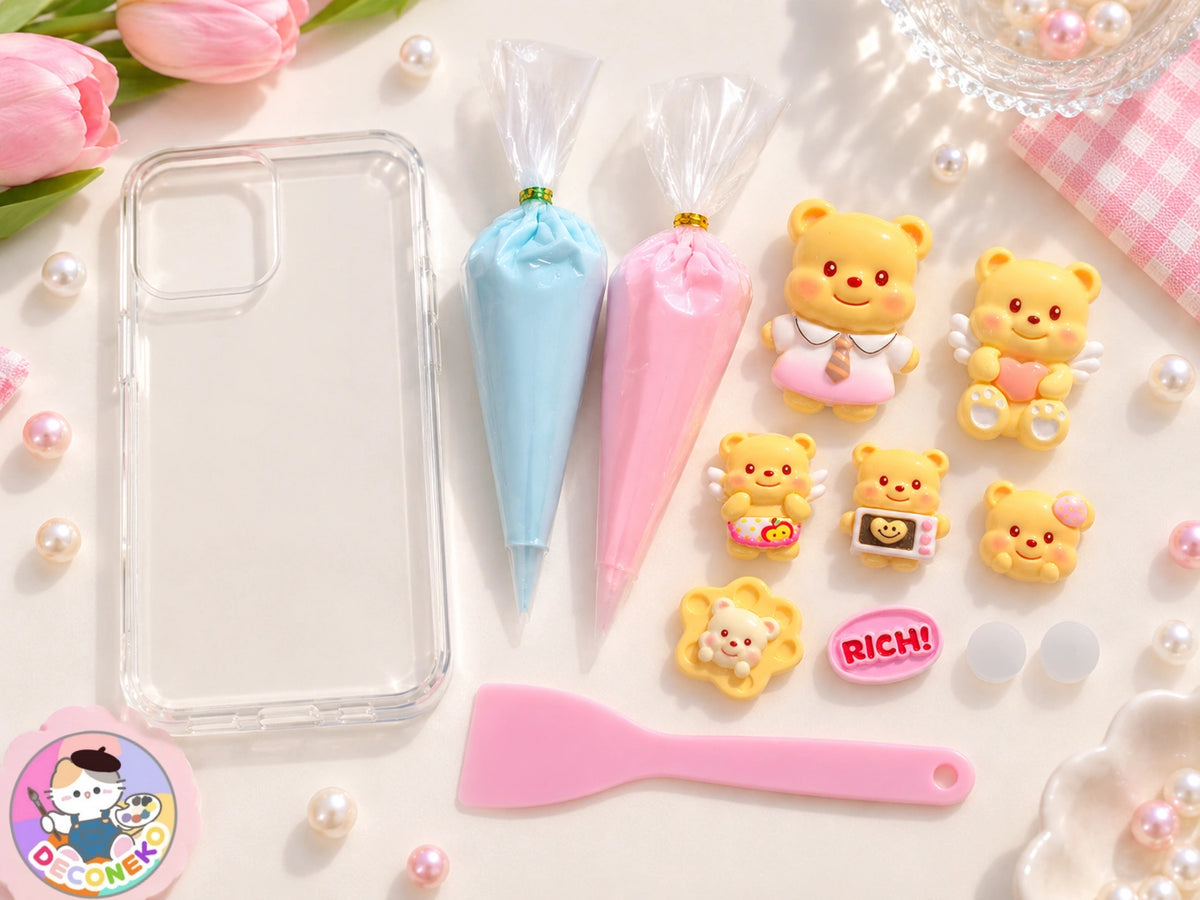
Before you begin, prepare the following materials:

  • A plain phone case base
  • Cream glue or deco cream intended for craft use
  • A piping bag and decorating tip if needed
  • Main charms or largerdecorative pieces
  • Smaller fillers such as beads, pearls, rhinestones, or mini charms
  • Tweezers or a small placement tool
  • A clean work surface
  • Optional wipes or a cotton swab for quick cleanup

For your first project, it is usually easier to start with a smaller number of decorations and one clear colour theme rather than using too many unrelated pieces.

Step 1: Choose a Theme and Plan Your Design

Before piping any cream glue, decide on the overall look you want. A floral pastel theme, dessert theme, bow theme, character-inspired theme, or soft rainbow palette can all work well.

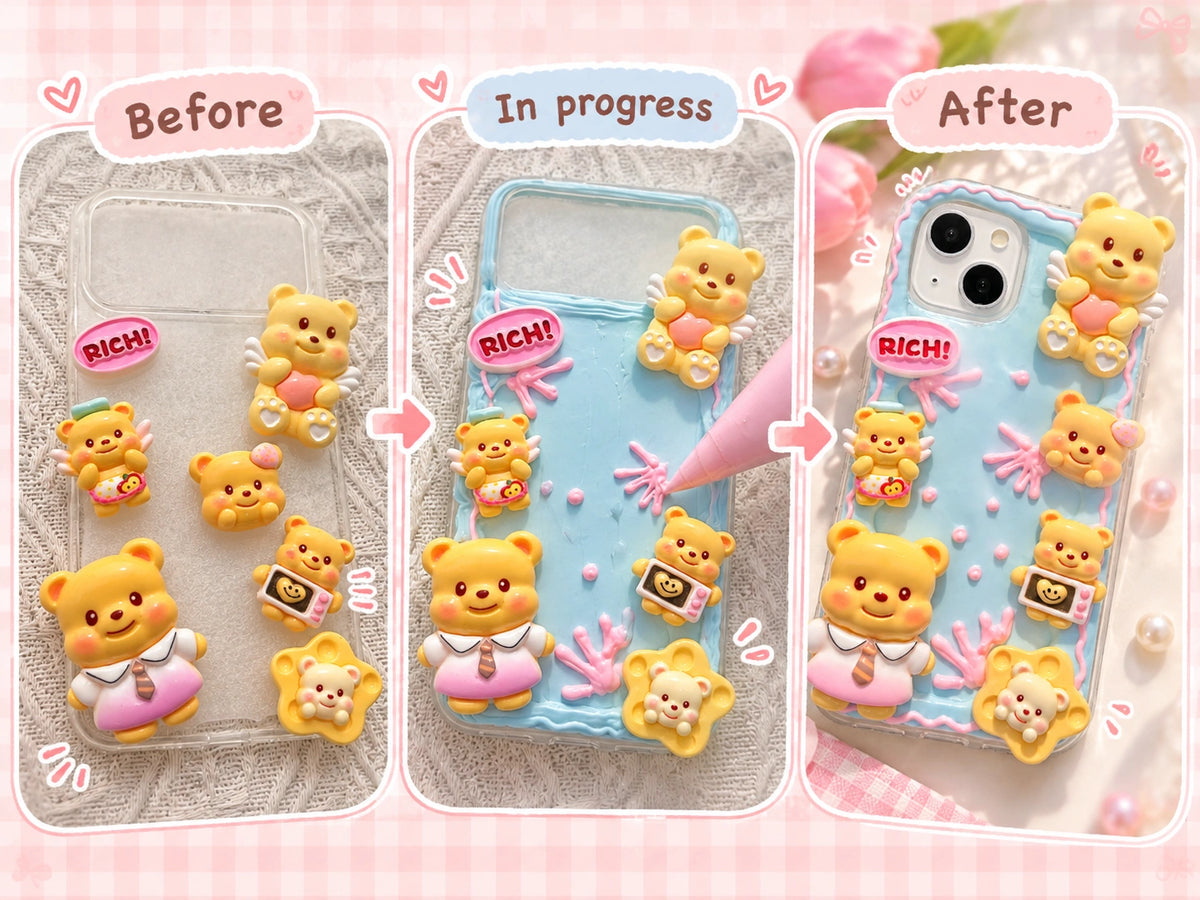
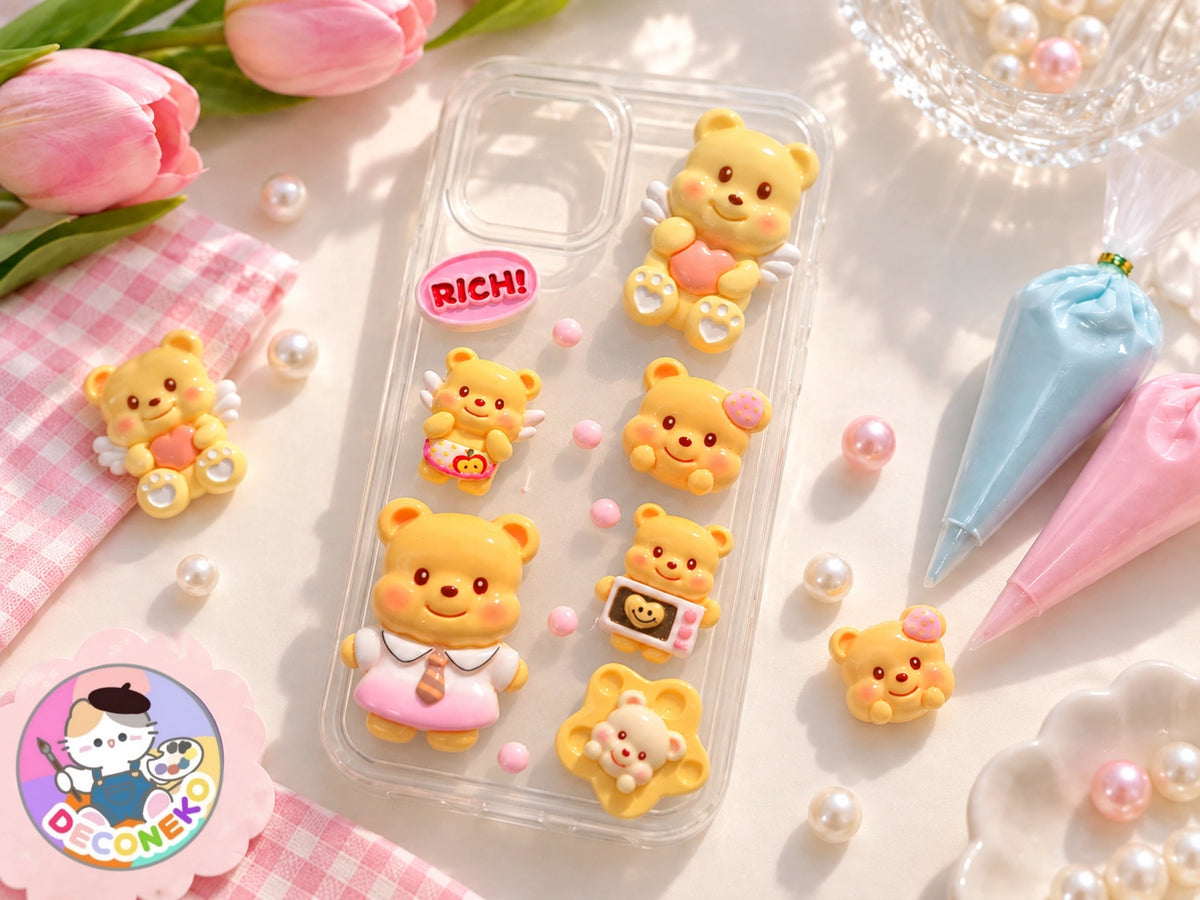
At this stage, it helps to place the larger charms on the phone case first without sticking them down. This gives you a rough idea of spacing and helps you avoid accidentally crowding one side more than the other.

Try to think about the visual balance of the design. If one corner has a large charm, the opposite side may need either another anchor element or a few smaller details to keep the case from feeling too heavy on one side.

Step 2: Pipe the Cream Glue

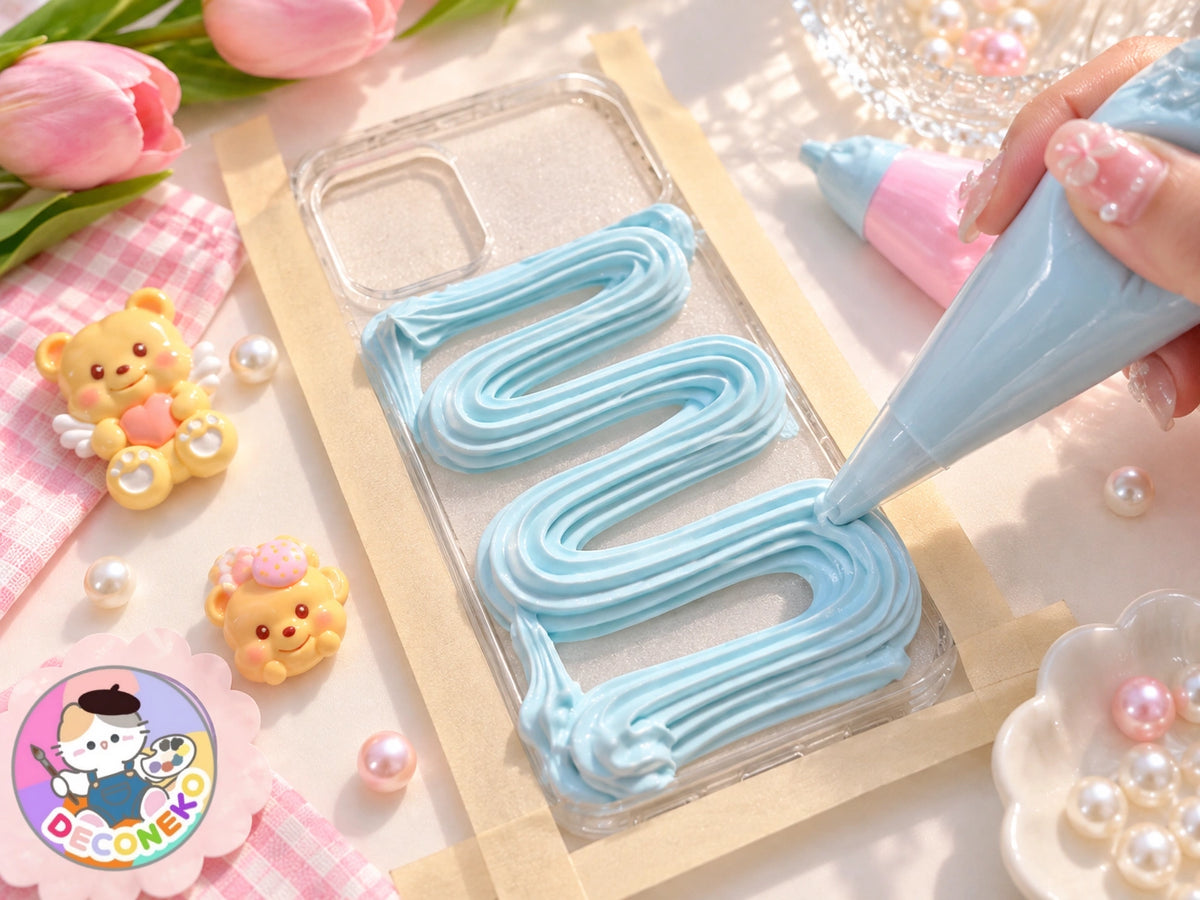
Once you feel comfortable with your general layout, you can start piping the cream glue onto the phone case. Work slowly and in sections so you have enough time to place charms while the surface is still workable.

Some people prefer to outline the case first and then fill the center. Others like to pipe around the main charm areas. There is no single correct method, but it helps to be consistent so the texture looks intentional rather than random.

If you want a neat beginner result, do not cover every millimetre immediately. Leave some breathing room for your decorations and avoid piling the cream too thickly in one area unless that is part of the look you want.

Step 3: Place the Main Charms First

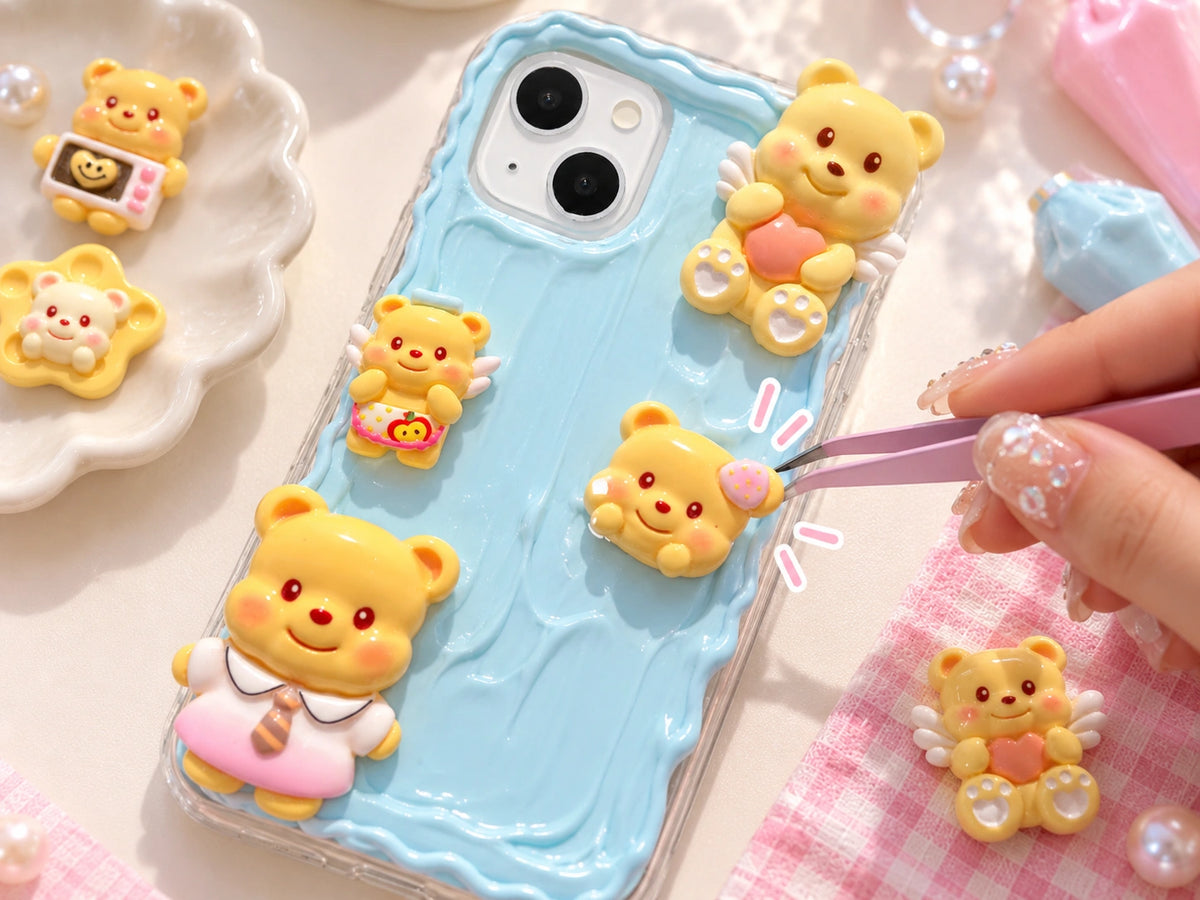
After piping the cream glue, place your largest charms first. These are the main focal points of the design and will guide where the smaller details go later.

Press the charms down gently so they sit securely in the cream, but avoid pushing so hard that the cream spreads too far or loses its texture. If you need more precision, use tweezers to adjust the angle and position.

Larger pieces usually look best when they are spaced out rather than clustered too tightly together. Giving each main piece a little room makes the final design easier to read.

Step 5: Let It Dry Fully

Once you are happy with the design, leave the phone case on a flat surface so it can cure fully. Drying time depends on the specific cream glue or deco cream product you are using, so it is best to follow the instructions for that material.

In general, do not try to use the case too early. Moving it before the cream has fully cured can shift the charms, flatten the texture, or leave marks in the design.

Common Beginner Mistakes to Avoid

  • Using too many different charms at once - A few coordinated styles usually look better than a crowded mix of unrelated pieces.
  • Skipping the layout test - Placing the bigger charms first helps you avoid awkward spacing.
  • Applying too much cream glue - Very thick areas can look messy and make it harder for charms to sit nicely.
  • Pushing charms down too hard - This can distort the cream texture and make the layout spread unevenly.
  • Trying to use the case before it is dry - Even a beautiful design can be damaged if the project is moved too soon.

Tips for a Cleaner, Cuter Result

• Choose one main theme and one or two accent colours.
• Use larger charms as focal points and smaller decorations as support.
• Keep the edges tidy if you want the case to feel polished.
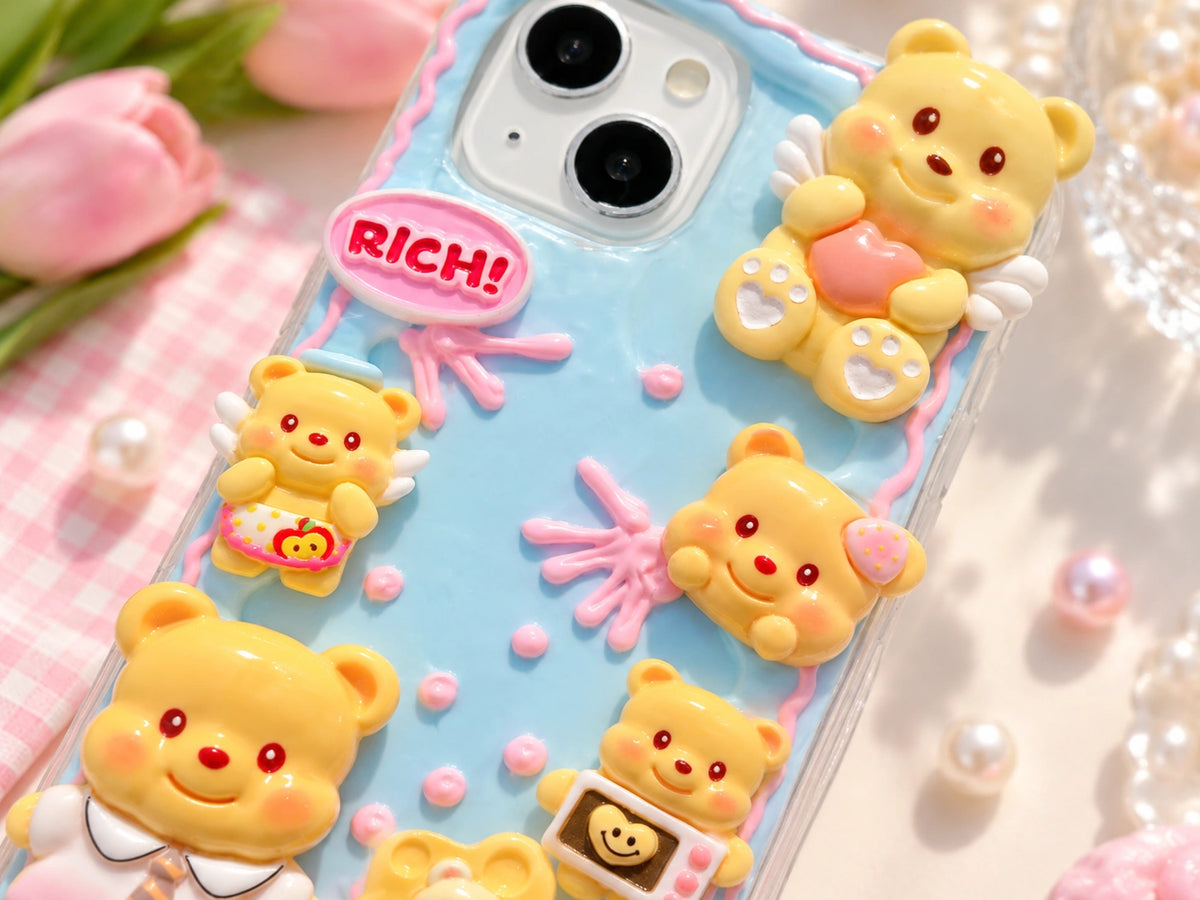
• Mix textures carefully—pearls, bows, flowers, and whipped cream can work beautifully together when the colour palette is controlled.
• Take a photo before the project dries. It helps you notice empty spots or balance issues more clearly.

Can You Make Decoden on Any Phone Case?

A decoden design works best on a phone case with a relatively smooth, stable decorating surface. If the case has too many moving parts, heavy texture, or a shape that makes layout difficult, it may be harder for beginners to get a neat result.
Simple case shapes are usually easier to decorate, especially when you are learning how much cream to pipe and how to place charms around the camera opening and edges.

How DecoNeko Makes It Easier for Beginners

At Deconeko, our Cream Glue DIY Kits are designed to make the process easier for beginners. Instead of finding materials separately, you can start with a theme-based kit and a phone case project that already fits together visually.
If you are still exploring the craft, you can also read our guide on What Is Decoden? 

Final Takeaway

Making a decoden phone case is one of the easiest and most enjoyable ways to start cream glue crafts. You do not need complicated techniques to create something cute—just a clear theme, a few well-chosen charms, and a step-by-step approach.
Start simple, focus on balance, and let the design reflect your own style. Once you finish your first phone case, you will have a much better feel for how to work with decoden materials and how to build future projects with confidence.

✧ ✧

Cream Glue & Decoden Kit FAQ

✦ ✦
You usually need a plain phone case, cream glue or deco cream, a few charms, and simple tools such as a piping bag, tip, and tweezers.
Yes. Phone cases are one of the easiest decoden projects for beginners because the decorating area is clear and easy to plan.
Drying time depends on the cream glue product you use. Always follow the product instructions and avoid using the case too early.
Yes. A simple design with just a few strong focal pieces can look cleaner and more stylish than an overcrowded design.